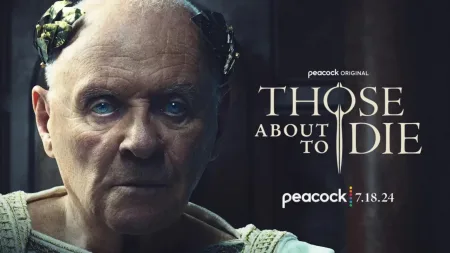
‘Those About To Die’, la serie con Anthony Hopkins girata a Cinecittà
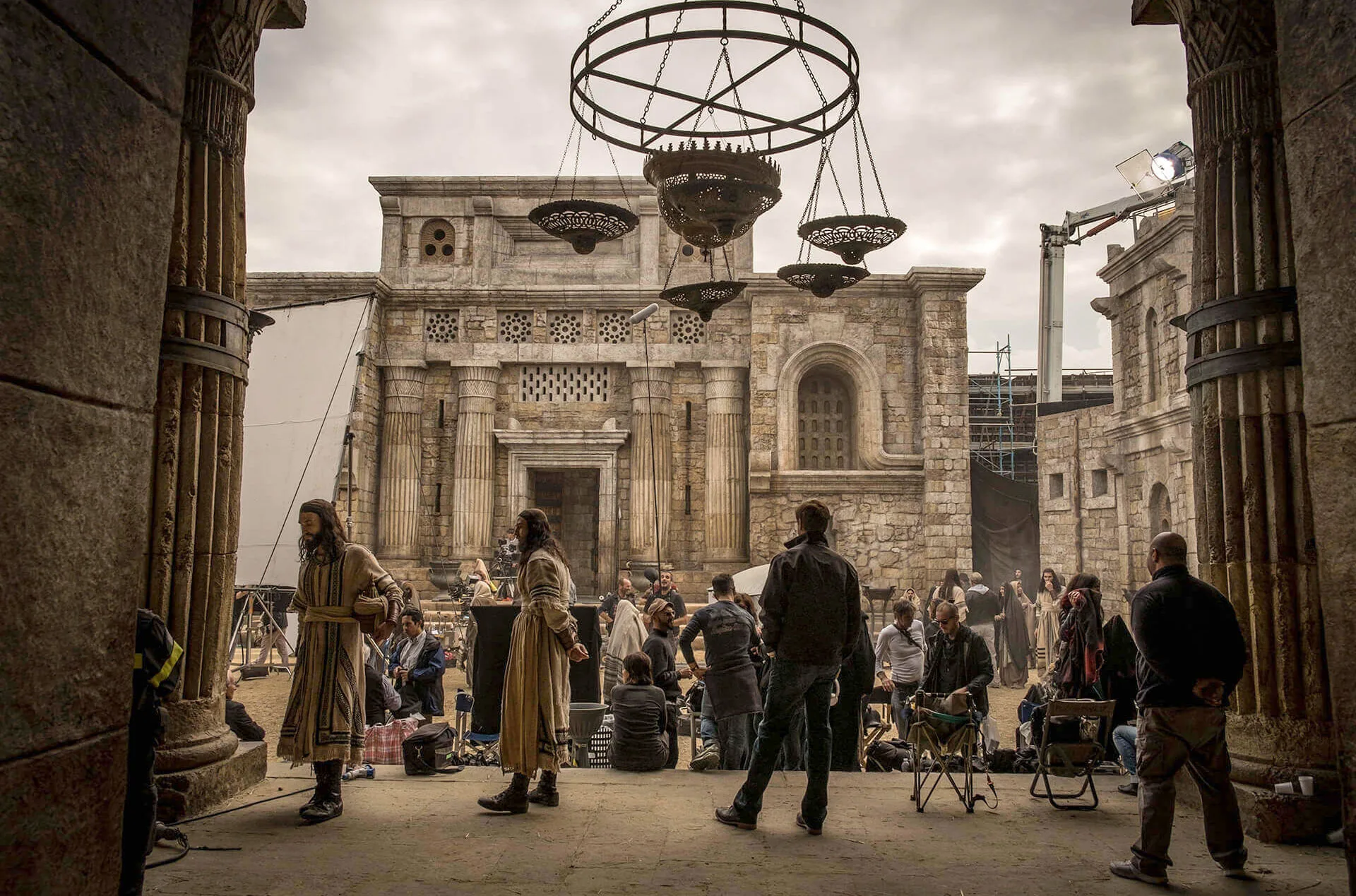
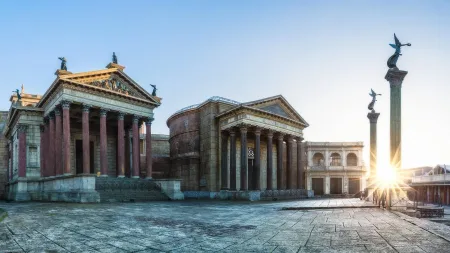
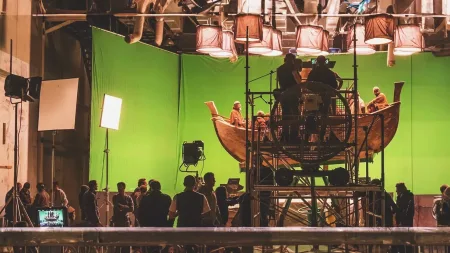
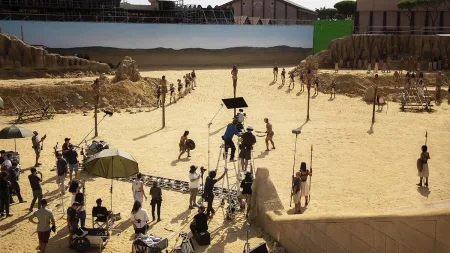
Il teaser trailer dell’attesa serie diretta da Roland Emmerich girata a Cinecittà, di cui si riconosce, già tra le prime immagini pubblicate, il set di Roma Antica.
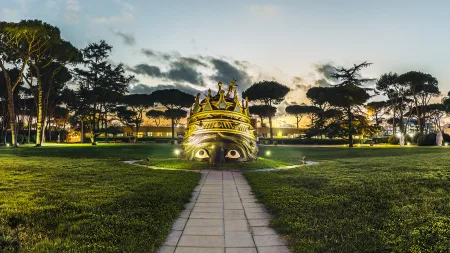
Cinecittà casa dei David
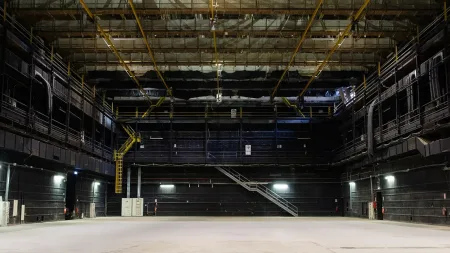
Ospitata negli Studi di Via Tuscolana a Roma – nel leggendario Teatro 5, e poi tra il Teatro 14 e il 18 – la cerimonia di premiazione dei David di Donatello 2024.
Oscar: i titoli “Made in Cinecittà”
Curata a Cinecittà l’edizione italiana dell’ultima opera del maestro Miyazaki, Il ragazzo e l’airone, che ha trionfato come Miglior film animato. Tra i candidati agli Oscar, si sono avvalsi dei nostri servizi di post-produzione audio anche Io capitano e May December.
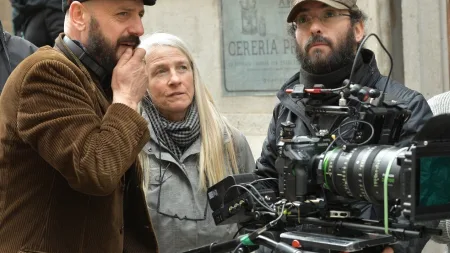
‘Il fotografo del duce’, al via le riprese
Si gira a Cinecittà il nuovo film di Tony Saccucci che racconta la vera storia di Adolfo Porry-Pastorel, geniale fotografo, sguardo indiscreto del potere, testimone d’eccezione del XX secolo. Materiale di repertorio dell’Archivio Luce.
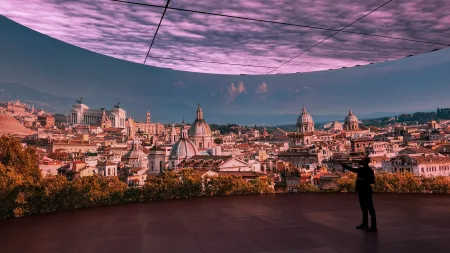
Radio France: “Gli studi di Cinecittà sono in piena rinascita”
“Ciò che attira qui i team di produzione è il misto di tecnologia e artigianato. I falegnami, i pittori, i fabbri e altri professionisti presenti sul sito giovano molto alla sua fama”, sottolinea il lungo reportage andato in onda sulla radio pubblica d’oltralpe.
‘Finalmente l’Alba’, la magia di Cinecittà nel film di Saverio Costanzo
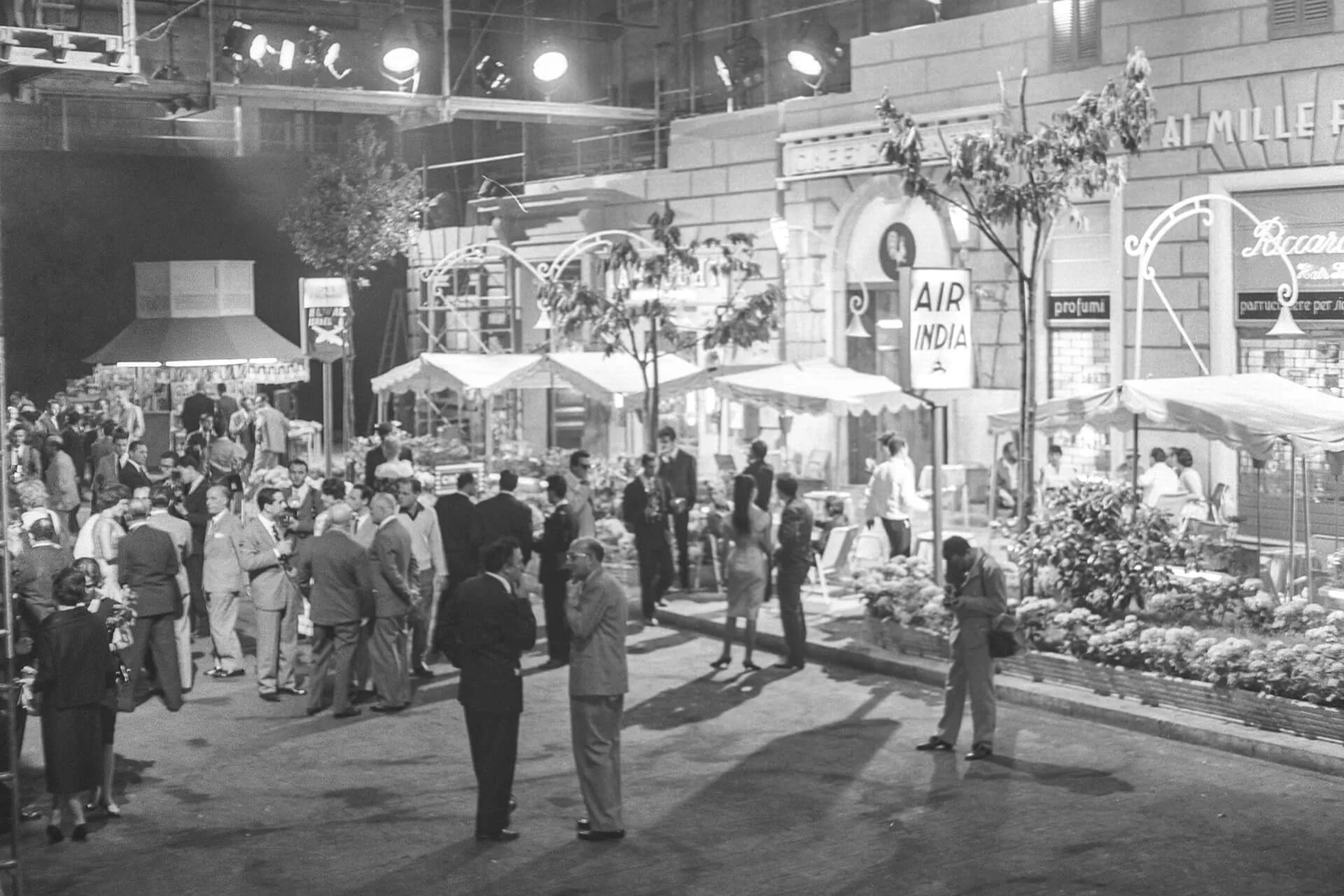
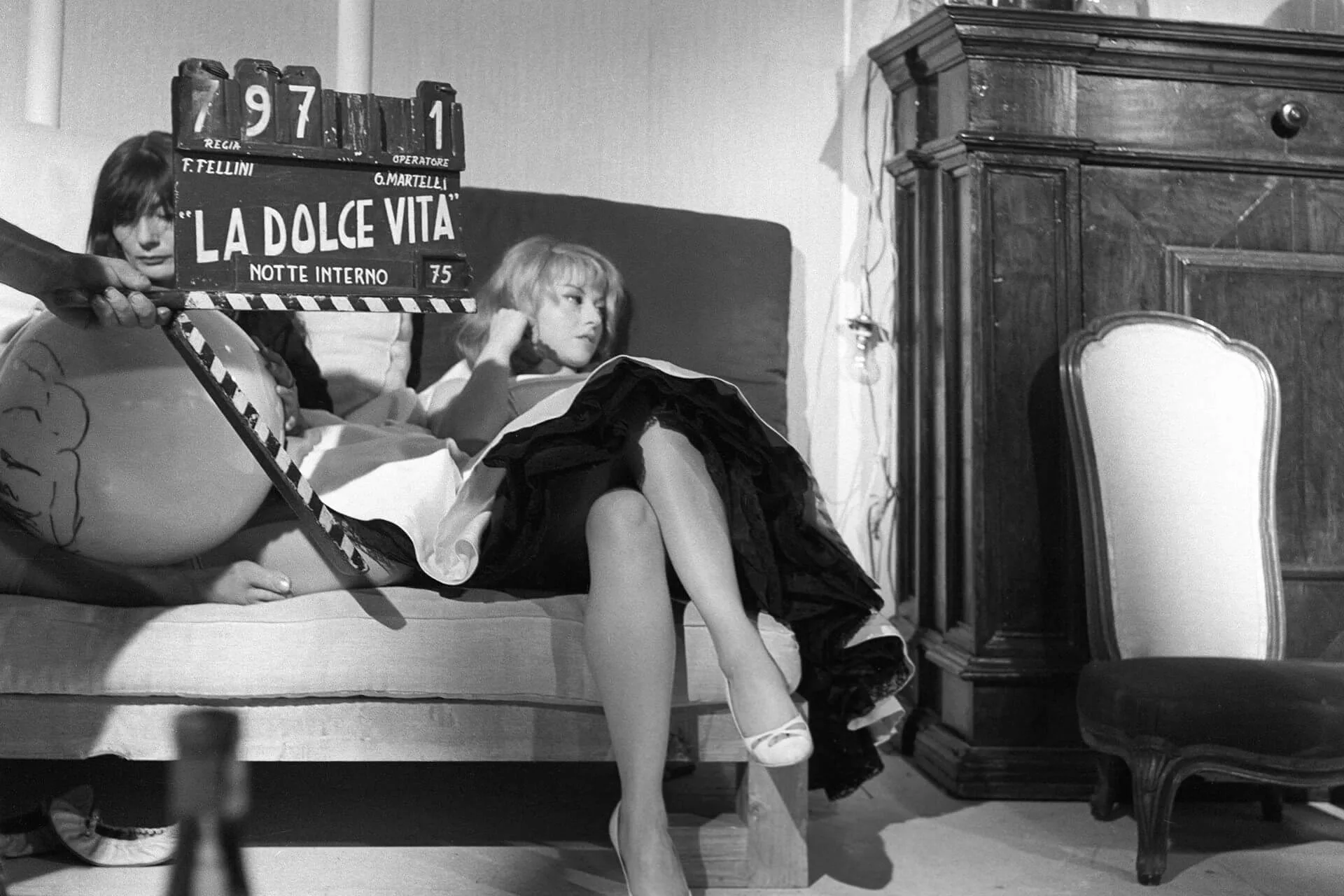
Presentata in concorso alla 80ma Mostra del Cinema di Venezia l’ultima opera di Saverio Costanzo è un tuffo nel glorioso passato della Hollywood sul Tevere.