History and Myths

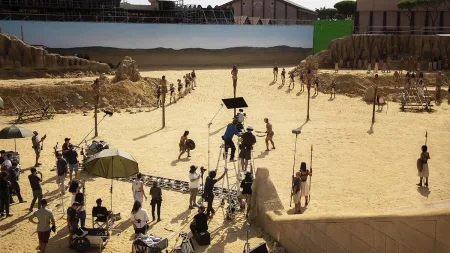
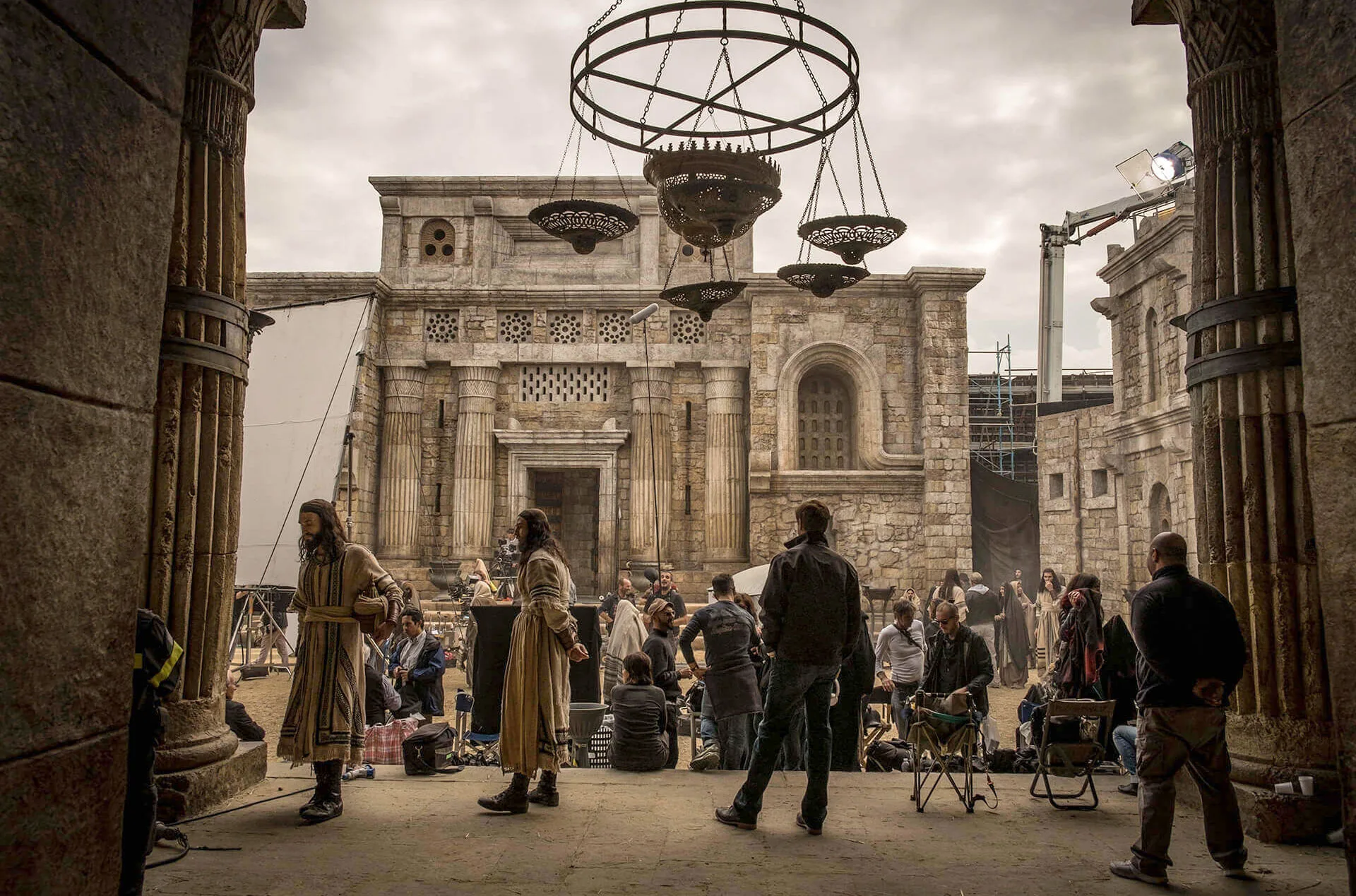
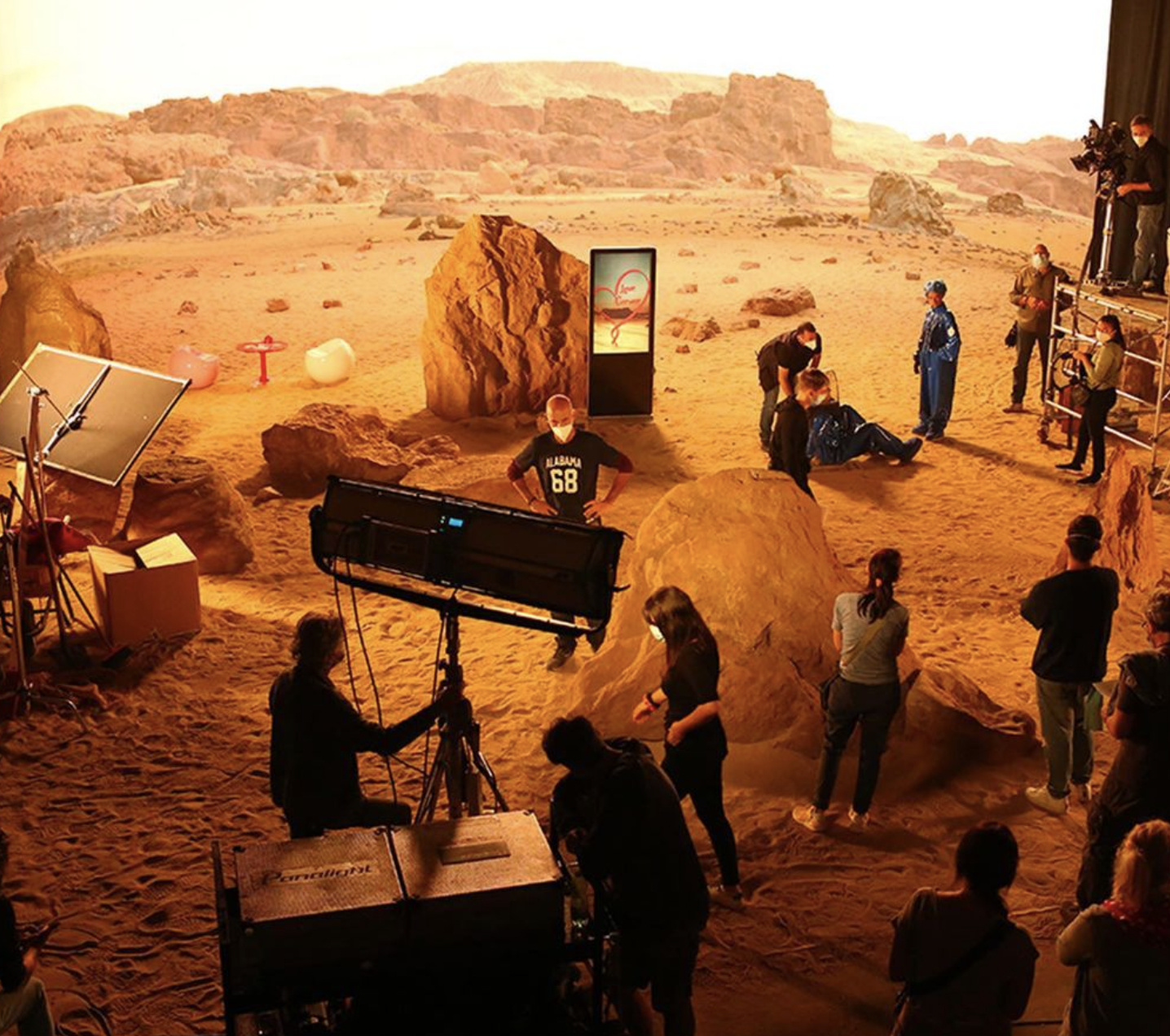
Cinecittà Studios has a long and distinguished history that includes more than 3,000 productions by filmmakers such as Francis Ford Coppola, Martin Scorsese, Mel Gibson and Anthony Minghella, as well as many Italian directors like Federico Fellini, Roberto Rossellini, Luchino Visconti and Bernardo Bertolucci, to name just a few.

An astonishing 48 of the films that have been made, in whole or in part, at Cinecittà have received Oscar Awards and 83 have received Oscar Nominations.

The current studio was designed by one of the great Italian architects of the time, Gino Peressutti, and is still one of the best examples of modernist architecture in Europe. 

Construction began on 26 January 1936 (on the site of an older studio destroyed by fire) and took 457 days to complete. Cinecittà was officially opened on April 28, 1937 by Benito Mussolini.

In its first few years the studio produced dozens of historical dramas and propaganda films. By 1943, just six years after it opened, nearly 300 productions had been made on the Cinecittà lot.

Many American filmmakers began arriving at Cinecittà in the early 1950s, drawn by the studio's reputation for creative talent and Italy's low production costs relative to the US.

Soon Cinecittà became known as "Hollywood on the Tiber" and many classic American feature films were made over the next 15 years, such as:

Quo vadis?
(Mervyn Loy, 1951)
Roman Holiday (William Wyler, 1953)
The Barefoot Contessa (Joseph L. Mankiewicz, 1954)
Helen of Troy (Robert Wise, 1956)
War and Peace (King Vidor, 1956)
The Quiet American (Joseph L. Mankiewicz, 1958)
Ben Hur (William Wyler, 1959)
The Nun's Story (Fred Zinnemann, 1959)
Cleopatra (Joseph L. Mankiewicz, 1963)
The Pink Panther (Bake Edwards, 1965)
The Agony and the Ecstasy (Carol Reed, 1965)

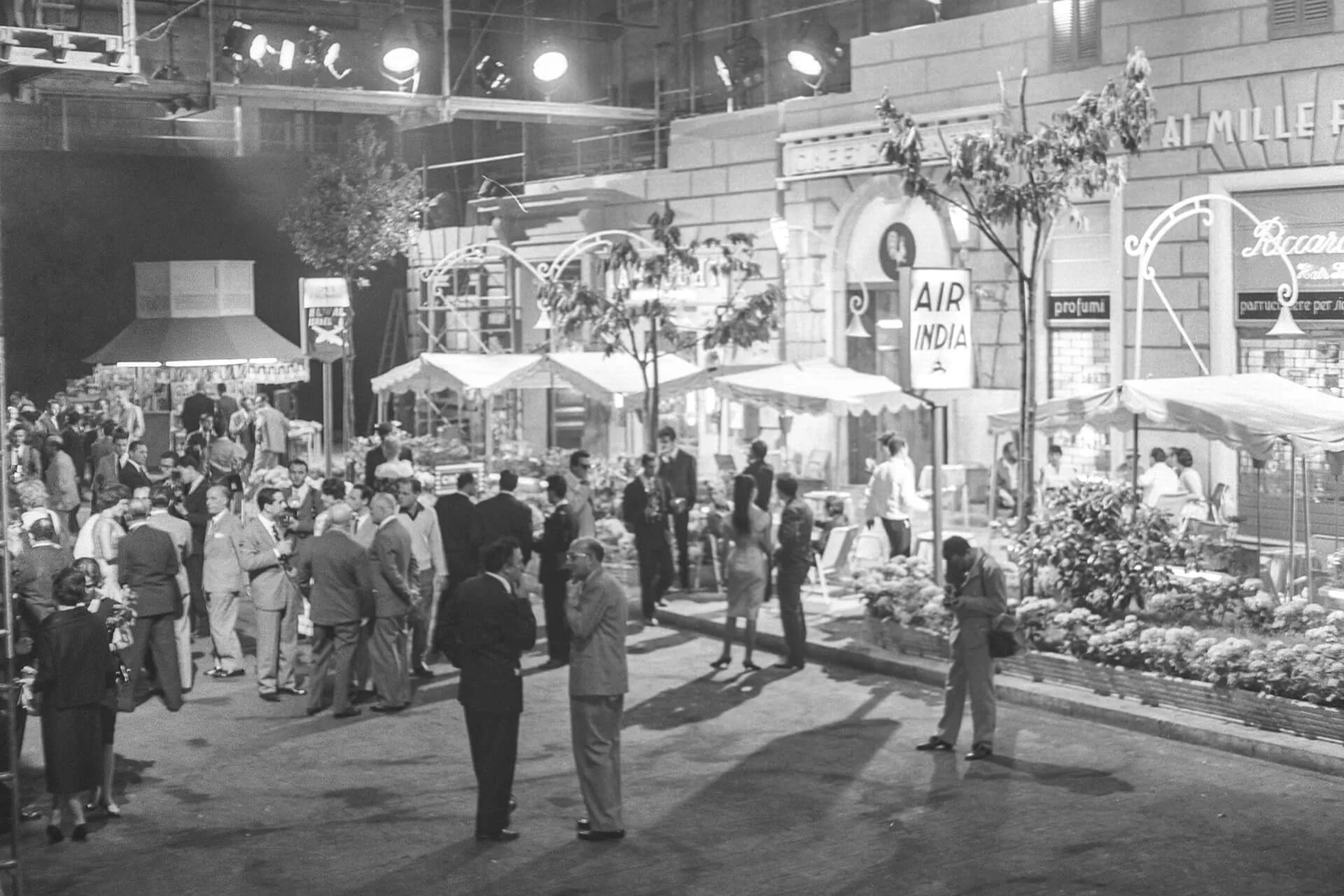
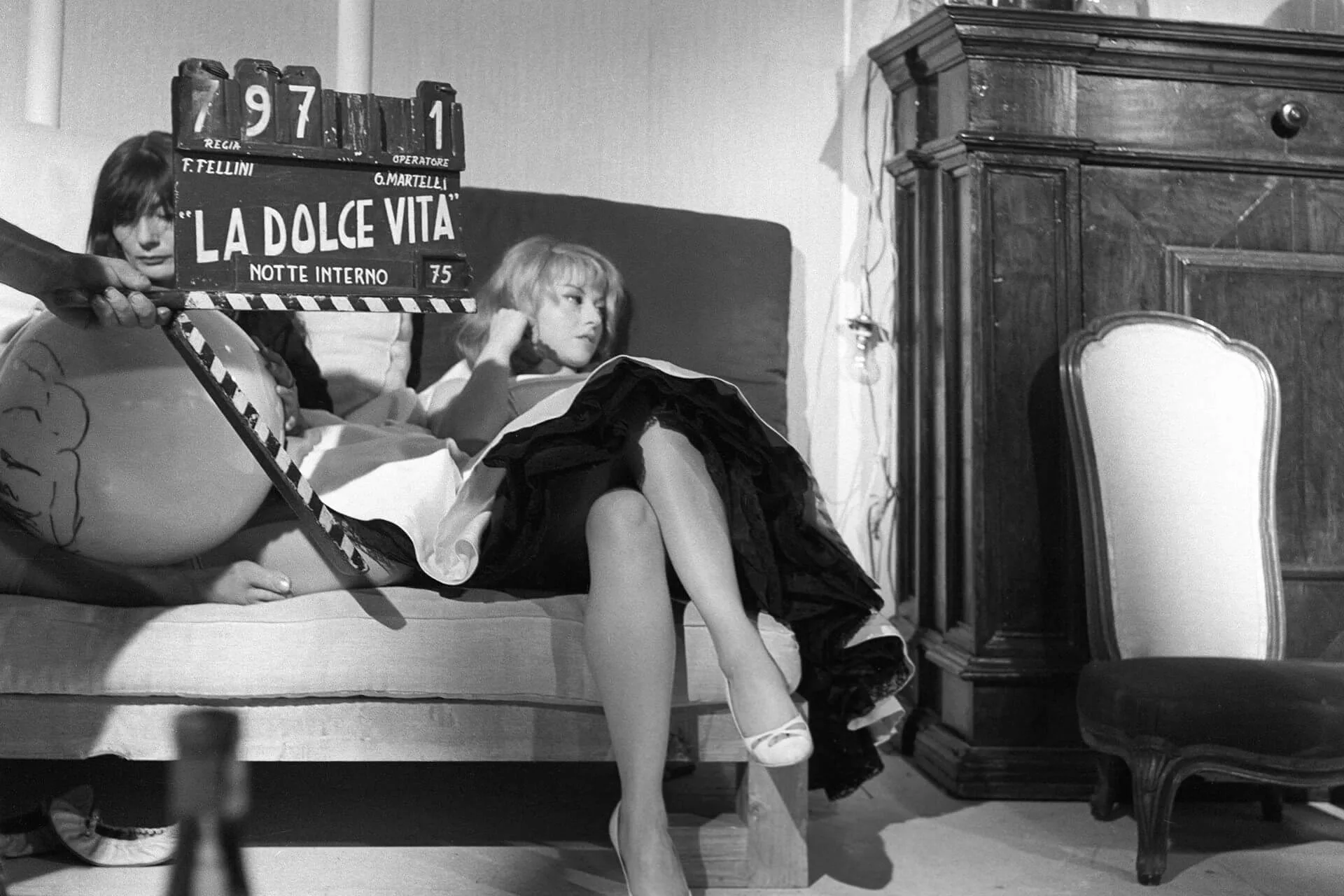
For Federico Fellini, Cinecittà was home for four decades of filmmaking. He made nearly all his productions on the lot, including La Dolce Vita, Satyricon, Roma,The Clowns, City of Women and Amarcord.

In the 1960s  and 70s Cinecittà was the birthplace of fine Italian feature films by renowned directors like Michelangelo Antonioni, Roberto Rossellini, Luchino Visconti, Ettore Scola, Franco Zeffirelli, Pier Paolo Pasolini and Vittoria De Sica. Many of these films, including Zeffirelli's Romeo and Juliet and Visconti's Death in Venice, won huge English-speaking audiences around the world.

Dozens of "spaghetti westerns", such as Sergio Leone's For a Few Dollars More and Once Upon a Time in the West, were made at the studio around the same time.

Photogallery

News

25.03.2011

Gregory Crewdson’s Graveyard of Italian Cinema

Gregory Crewdson is world renowned for his elaborately staged color photographs — shot with Hollywood actors and large crews — that psychologically reference the movies of such iconic filmmakers as David Lynch, Alfred Hitchcock, and Stephen Spielberg.

25.03.2011

Hollywood’s Obsession With Rome

Hollywood’s obsession with ancient Rome has spanned many a decade and from the original Ben-Hur in 1959 to Hollywood’s latest release The Eagle, it seems audience appetites haven’t wavered.

The Eagle is the latest instalment in the Roman adventure genre to hit our screens this week and with it, offers up a more gritty portrayal of Roman life, with director Kevin Macdonald explorin